Welcome! This page is about top tips about how you can manage any exams or school work. And where you can get help and resources to make you a super learner!
Exams, coursework, and deadlines can feel intense, especially if you’ve had changes at home or school. Feeling stressed doesn’t mean you’re failing- it might mean something important it happening.
This can feel overwhelming and sometimes it is hard to know where to begin.
When Pressure Builds
You might notice:
Trouble sleeping or concentrating
Feeling overwhelmed or stuck
Avoiding work because it feels too much
Comparing yourself to others
Watch this short video to understand what happens to your body when it is under stress and ways to help manage this!
Learning and Lessons
Everyone learns in different ways. Some people enjoy lesson; others find school hard and that can change over time.
You might need help with:
Homework or revision
Concentration or behaviour
Catching up after moving schools
It is okay to ask for support. Teachers, teaching assistants, school counsellors are there to help you succeed.
Click below for some helpful resources:



Behaviour and Emotions at School

Talking to an adult you trust can help
Sometimes feelings can come out as behaviour, especially when you’re tired, or overwhelmed.
This might look like:
Shutting down or going quiet
Feeling angry or frustrated
Finding it hard to concentrate
Wanting to leave lessons
This doesn’t mean you are ‘bad’ or ‘naughty’. It means you might need support. Talking to a trusted adult can help.
Motivation
Let’s be honest motivation isn’t always there.
Some days you feel focused. Other days even opening your laptop feels like a win.
Motivation isn’t about being “on it” all the time. It’s about building small habits that help you move forward, even when you don’t feel like it.
Motivation Comes After Action
A lot of people wait to feel motivated before starting.
But often, motivation shows up after you begin.
Try this:
Set a 10-minute timer.
Tell yourself you only have to work for those 10 minutes.
Once you start, it usually feels easier to continue.
Starting is the hardest part.

You can do it!
Break It Down
Big tasks feel overwhelming.
Instead of: “Revise for my math's exam”
Try:
Revise algebra for 20 minutes
Complete 5 practice questions
Watch one revision video
Small wins build momentum.
Break big tasks into small tasks
Work With Your Brain, Not Against It
Everyone focuses differently.
Ask yourself:
Do I concentrate better in silence or with background music?
Do I work better in short bursts?
Do I prefer writing notes, flashcards, or watching videos?
There isn’t one “right” way to revise.
Find what works for you.
Don’t Forget to Look After Yourself!
Create Structure (Even if Life Feels Messy)
If other areas of life feel messy, having a simple study routine can help you feel more in control.
Try:
Studying at the same time each day
Using a planner or wall calendar
Colour-coding subjects
Scheduling breaks (yes, properly scheduling them)
Structure reduces stress.
Balance Matters
Burnout doesn’t help grades.
Sleep, food, exercise, and breaks actually improve memory and concentration.
If you’re exhausted, your brain won’t perform at its best.
Rest is productive.
Looking After Yourself Alongside School
You are not just a student, you’re a whole person!
Your brain works better when your body is looked after.
Focus on:
-
Aim for a consistent sleep time where possible.
Late-night scrolling = tired brain the next day.
-
Regular meals help concentration. Skipping meals can make stress worse.
Why not try some of our fun recipes?
-
This doesn’t mean the gym only.
It could be:
a short walk
stretching
dancing in your room
a sports session
Movement helps reduce stress hormones.
-
Build in time that isn’t about productivity.
Watch something. See friends. Play a game. Listen to music.
Rest is not laziness — it’s maintenance.
Balance doesn’t mean equal time for everything.
It means:
Working when it’s time to work
Resting without guilt
Asking for help when you need it
Adjusting when things feel too much
Some weeks will feel heavier than others. That’s normal.
If your routine slips, that doesn’t mean you’ve failed. Just reset the next day.

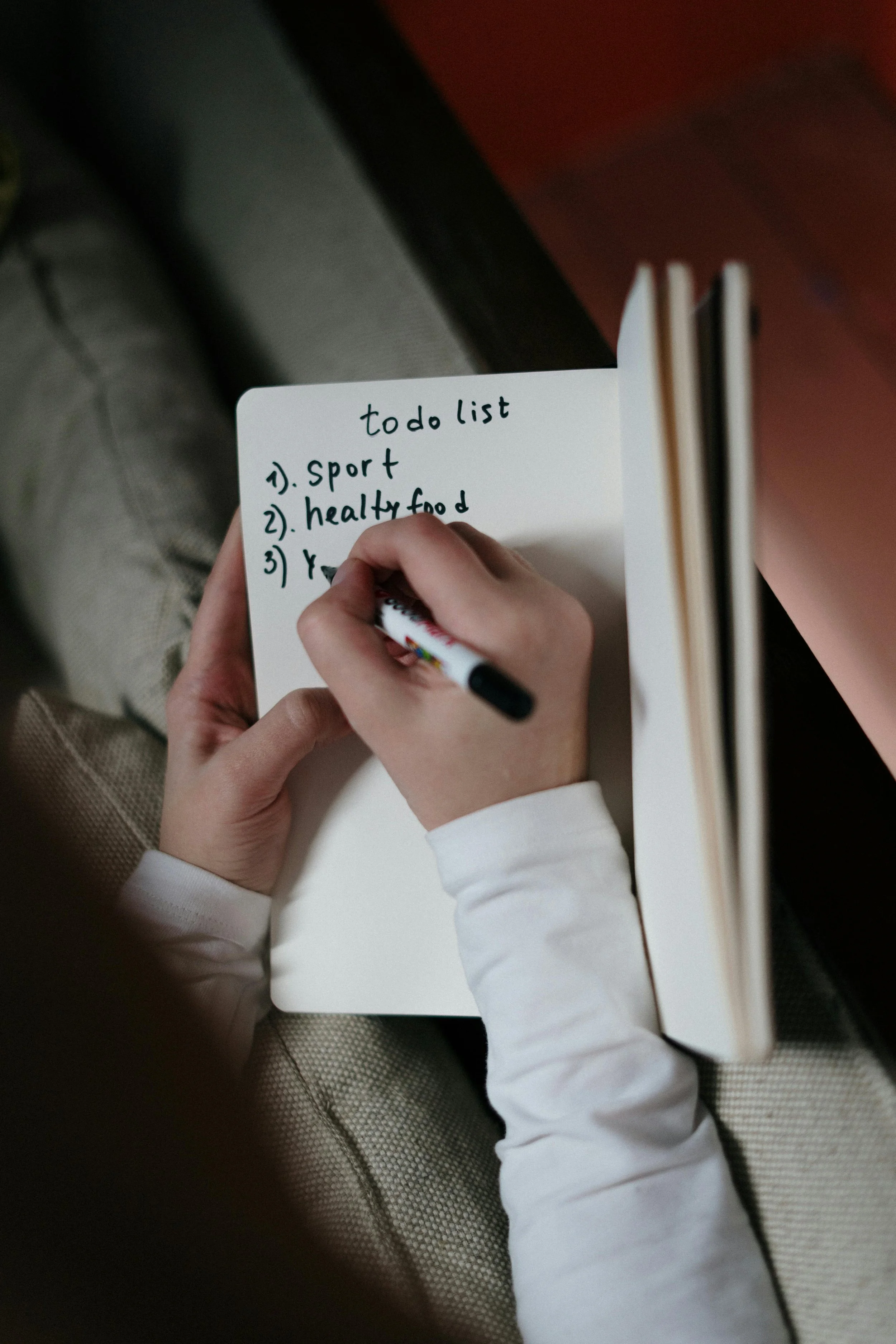
Here is an example of a week routine that you could use as a template to organise yourself…



Weekends
Saturday – Life + Catch-Up Day
Morning
Sleep in a little if needed
Light movement (walk, stretch, sport)
Midday
1–2 hours coursework or revision
Break tasks into small chunks
Afternoon
Friends / hobbies / gaming / creativity
Get outside if possible
Evening
Relax and recharge
Sunday – Reset & Prepare
Morning
Slow start
Tidy space / organise school bag
Midday
Review upcoming week
Check deadlines & plan tasks
1 hour light revision if needed
Afternoon
Chill time
Meal prep or choose clothes for the week
Evening
Early wind-down
Shower & self-care
Relaxing activity (music, journaling, TV)
School Days (Mon-Fri)
Wake up & get ready
Eat breakfast (fuel for your brain!)
Travel to school/college
During the Day
Lessons / coursework
Breaks → eat, hydrate, reset
Make quick notes of homework or deadlines
After School Reset (30–60 mins)
Snack & relax
Scroll, chat, or decompress
Change clothes / rest
Study Block (1–2 hours total)
30 mins homework or revision
5–10 min break
Repeat
Top Tip: Start with the easiest task to build momentum.
Evening Wind Down
Dinner
Free time (gaming, TV, friends, hobbies)
Pack bag & prep for tomorrow
Shower & relax
Screen off 30 mins before sleep if possible
Sleep
Aim for a consistent bedtime so your brain can recharge.